
Types of Nurses: Highest Paid Nursing Specialties 2026
/What types or nurses and nursing specialties are the highest paid in 2026? Nursing specialisation has become a critical requirement within South Africa’s healthcare system. As patient needs grow more complex, healthcare facilities increasingly rely on nurses with advanced, specialised skills - particularly in neonatal and oncology care. For nursing students planning their career paths, early exposure to specialised fields helps shape informed study and training decisions. Specialised nurses contribute to improved patient outcomes, reduced clinical errors, and stronger multidisciplinary teams, especially in high-pressure environments such as NICU hospitals and oncology wards.
For nurses, specialisation supports long-term career sustainability. It opens access to leadership roles, educator positions, and high-paying nursing jobs while strengthening professional credibility. With rising nursing demand across Gauteng and the Western Cape, specialised nurses are consistently prioritised for placement and progression opportunities.
High-Demand Nursing Fields in 2026
Two of the most critical nursing fields in South Africa for 2026 are neonatal nursing and oncology nursing. Demand is driven by increasing premature birth rates, expanded neonatal services, and a rising national cancer burden.
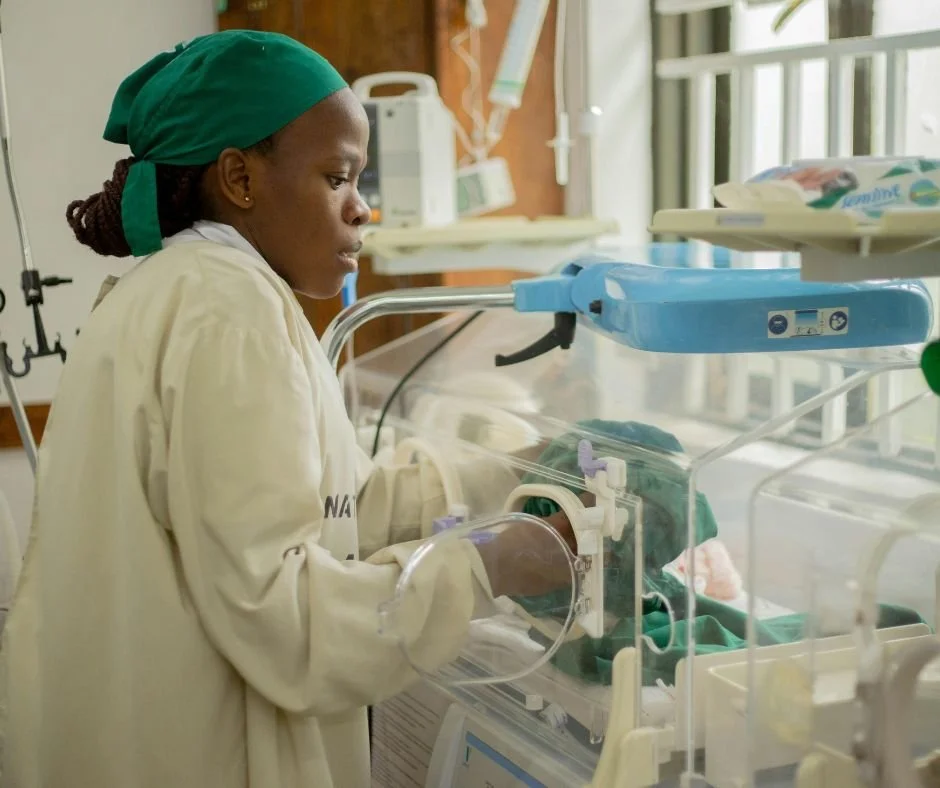
NICU Nursing
Focuses on the care of premature and critically ill newborns in neonatal units. These environments require nurses with advanced clinical skills, technical expertise, and emotional resilience. Hospitals in major provinces continue to report shortages of trained NICU nurses, reinforcing the urgency of this nursing specialisation.
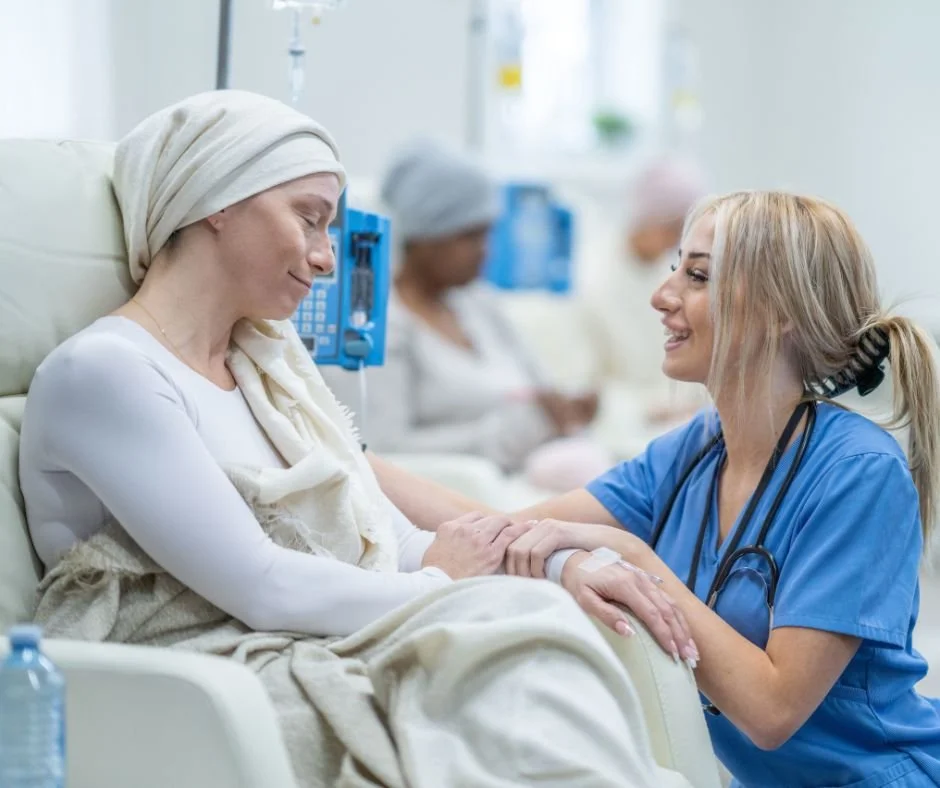
Oncology nursing
Remains essential as cancer diagnoses increase nationwide. Nurses often wonder, ‘which nursing specialty pays the most?’ and oncology consistently ranks high. Oncology nurses are central to treatment delivery, patient education, symptom management, and emotional support. Public and private healthcare facilities alike face ongoing recruitment challenges for nurses trained in oncology and chemotherapy administration.
Both fields offer strong nursing career development, professional fulfilment, and competitive earning potential for those who invest in post-basic training.
Official Insight: South Africa faces a shortage of specialist nurses, including NICU and oncology roles. Expanding specialised training and workforce capacity is essential to meet growing healthcare demands.
Source: South African Department of Health, Nursing Workforce Report 2024
Nursing Roles, Qualifications, and Training
Specialised nursing roles in South Africa require registration with the South African Nursing Council (SANC) as a professional nurse before further training.
NICU Nurses work in neonatal units caring for preterm and critically ill newborns. So, what is the role of a NICU nurse in South Africa? Their responsibilities include monitoring vital signs, administering medication and nutrition, operating ventilators and incubators, responding to emergencies, and supporting families. Neonatal nurse qualifications typically include a post-basic neonatal nursing course covering neonatal physiology, infection control, neonatal life support, and high-risk infant care. Clinical experience in a NICU hospital is essential, supported by certifications such as neonatal resuscitation, BLS, and PALS.
Oncology Nurses provide specialised care to patients undergoing cancer treatment. Their role includes administering chemotherapy, monitoring treatment responses, managing side effects, educating patients and families, and delivering palliative care when required. Oncology nursing training involves a post-basic oncology course with a strong focus on chemotherapy safety, symptom control, and multidisciplinary care. Practical experience in oncology units is a key requirement, alongside ongoing CPD to maintain competency in evolving treatment protocols.
Both specialisations require continuous professional development to remain compliant and clinically current.
Nursing Career Opportunities and Earning Potential
NICU and oncology nurses are employed across public and private hospitals, specialised units, outpatient centres, and community programmes. In both fields, experience and post-basic qualifications significantly influence earning potential.
These specialisations offer clear pathways into senior clinical roles, specialist coordination, and educational positions, reinforcing long-term career advancement. Nurses who invest in ongoing professional development and maintain compliance with SANC standards are well positioned to access high-demand placements and leadership opportunities within South Africa’s healthcare system.
Top tip: How much does a specialist nurse earn? Use our handy pay rate calculator to discover your potential salary.
Bursaries and Financial Aid Options
Financial support plays an important role in enabling nurses to pursue specialisation. Several funding options are available in South Africa.
NSFAS offers financial aid to eligible students enrolled in recognised nursing programmes, including post-basic studies. Applications are submitted online through the NSFAS platform.
Provincial Departments of Health regularly provide bursaries for nurses pursuing specialist qualifications. These bursaries often require a service commitment within the public healthcare system after qualification. Nurses should engage directly with provincial HR or training departments for application timelines and criteria.
Private healthcare groups, including Mediclinic and Netcare, offer bursaries or scholarships for NICU and oncology training, particularly for nurses employed within their facilities. Oncology-focused foundations, such as the Johnson Rose Cancer Foundation, may also provide grants or partial funding for chemotherapy and palliative care training.
Professional associations linked to neonatal and oncology nursing further support nurses through mentorship, funding opportunities, and continued education resources.
How to prepare for a Specialised Nursing Career?
Nurses looking to specialise in NICU or oncology nursing - and who may be asking whether enrolled nurses can specialise - can follow these practical steps to strengthen their career growth and access high-demand roles:
Choose a Nursing Field Strategically
Identify a specialisation that aligns with both your personal interests and the current nursing demand in South Africa, such as neonatal nursing or oncology.Complete Accredited Post-Basic Courses
Enrol in recognised post-basic programmes relevant to your chosen field. For NICU, this includes neonatal nursing courses; for oncology, post-basic oncology courses with chemotherapy training.Gain Hands-On Clinical Experience
Work in specialised units such as NICU hospitals or oncology wards to develop practical skills, build confidence, and strengthen your professional portfolio.Maintain SANC Registration
Ensure your registration with the South African Nursing Council (SANC) is active and compliant, as this is mandatory for all specialised nursing roles.Participate in Continuing Professional Development (CPD)
Engage in CPD activities to stay updated with evolving clinical practices, maintain competency, and meet regulatory requirements.Explore Financial Support Options Early
Research bursaries, scholarships, and hospital funding opportunities that support NICU and oncology training. Planning earlyimproves access to financial aid and reduces barriers to advancement.
Network within Professional Associations
Join organisations related to neonatal or oncology nursing. Networking with mentors and peers can provide guidance, learning opportunities, and professional connections.Seek Placement Support
Work with trusted nursing agencies like Nursing Services of South Africa (NSSA) to access specialised roles, high-demand placements, and opportunities that match your skills and career goals.
Why Choose Nursing Services of South Africa for Agency Nursing?
NSSA is a trusted partner for nurses seeking to specialise and progress within South Africa’s healthcare system. With extensive experience in nursing placements, we support nurses through:
24/7 professional and placement support to assist with shifts, queries, and scheduling needs
Assistance with connecting to accredited hospitals and healthcare facilities across Gauteng, Western Cape, and nationwide
Guidance on compliance and SANC registration requirements to ensure nurses remain fully credentialed and ready for specialised roles
NSSA focuses on connecting nurses with meaningful roles that support long-term professional growth.
Building a Future in Specialised Nursing
NICU and oncology nursing remain among the most in-demand nursing fields in South Africa. By specialising, nurses can answer questions such as “Which nursing specialty is right for me?” and “Is it worth specialising as a nurse?” while securing long-term career growth.
Through nursing specialisation, post-basic training, and sustained professional development, nurses can access high-paying roles, strong career advancement, and long-term job security.
With the right qualifications, financial support, and placement guidance, nurses are well positioned to meet the growing demand in these critical specialities and build rewarding careers in South Africa’s healthcare sector.
If you’d like to learn more about the benefits of partnering with a trusted framework agency like us, feel free to call us at 087 357 0642, email info@nurses.co.za, or WhatsApp 060 070 2436. We’re here to support you every step of the way.


